


Refills, Bulk, and Local Shops
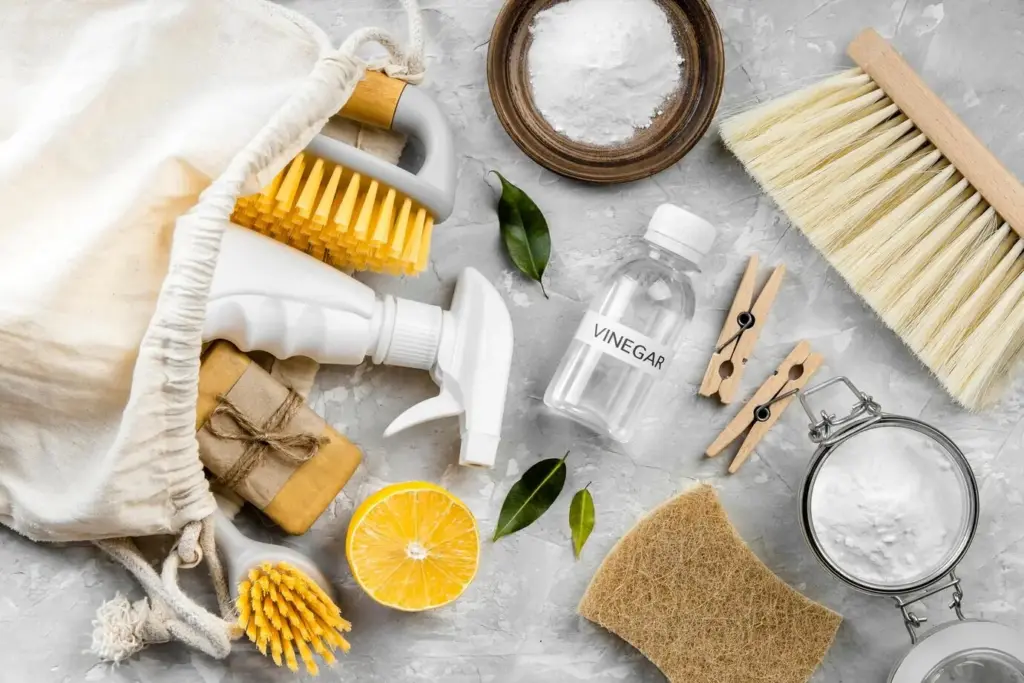
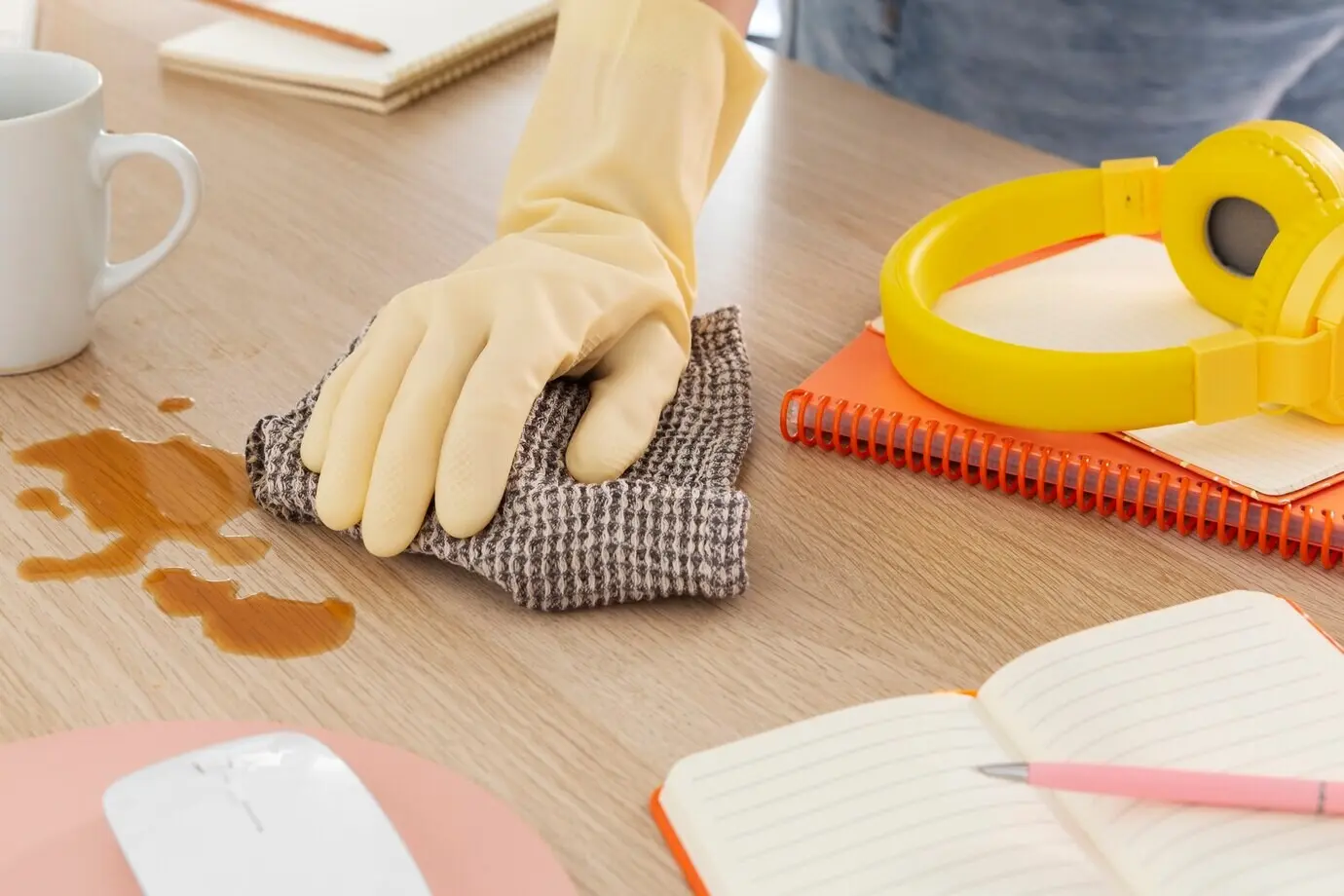
Refill stations cut plastic and encourage mindful measuring. Bulk pricing on citric acid, percarbonate, and surfactants stretches budgets, especially for families. Support nearby stores, share containers with neighbors, and trade samples; collective curiosity uncovers standouts faster and keeps money circulating within your community’s small, resilient businesses.
Energy, Water, and Time Efficiency
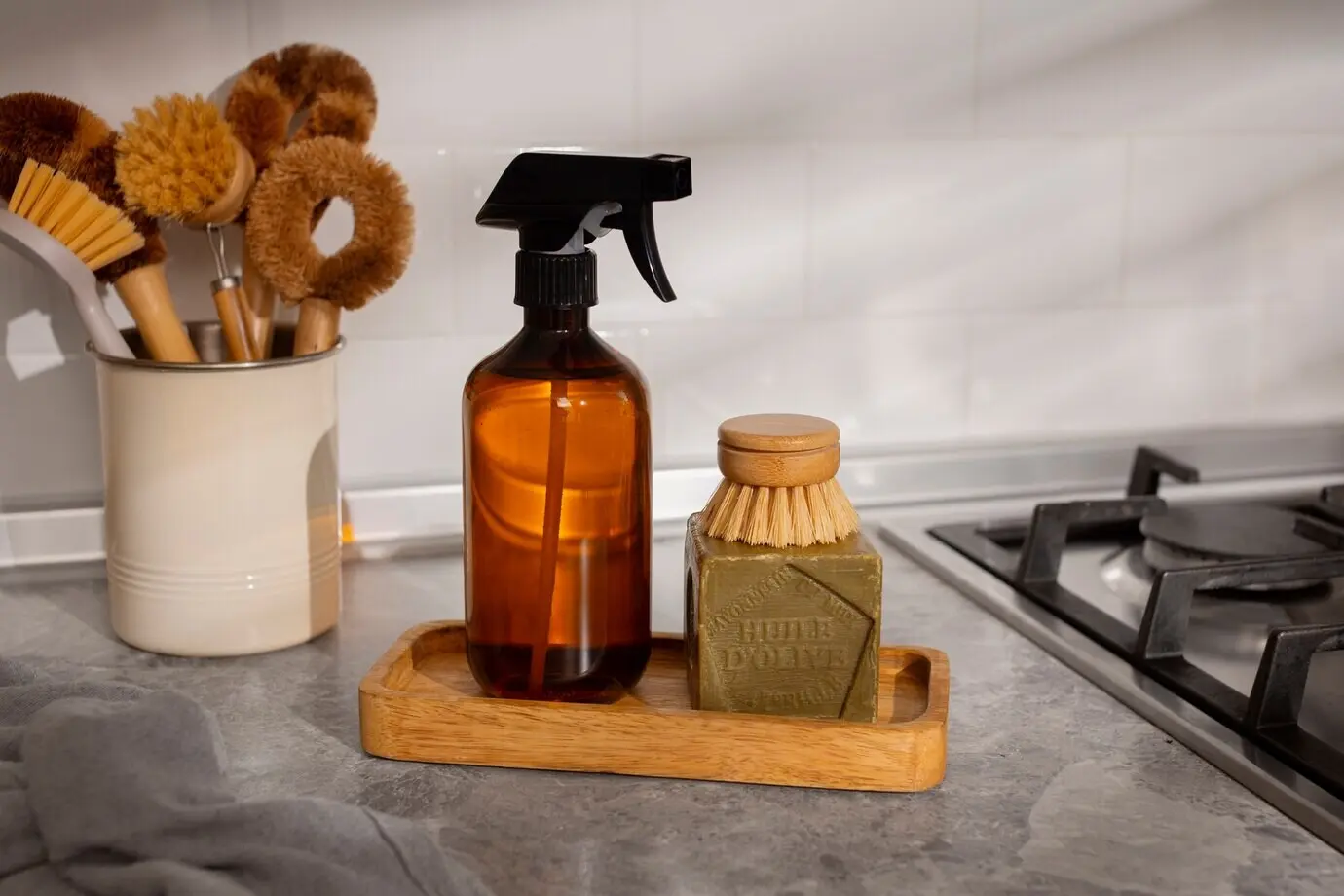
Wash cool when possible, soak instead of scrub, and let gravity drain grime before you push a mop. Batch rooms by chemistry to reuse pads efficiently. These scheduling moves shrink bills, protect finishes, and give evenings back for music, conversation, and unhurried cooking.
Measure Results and Share Wins
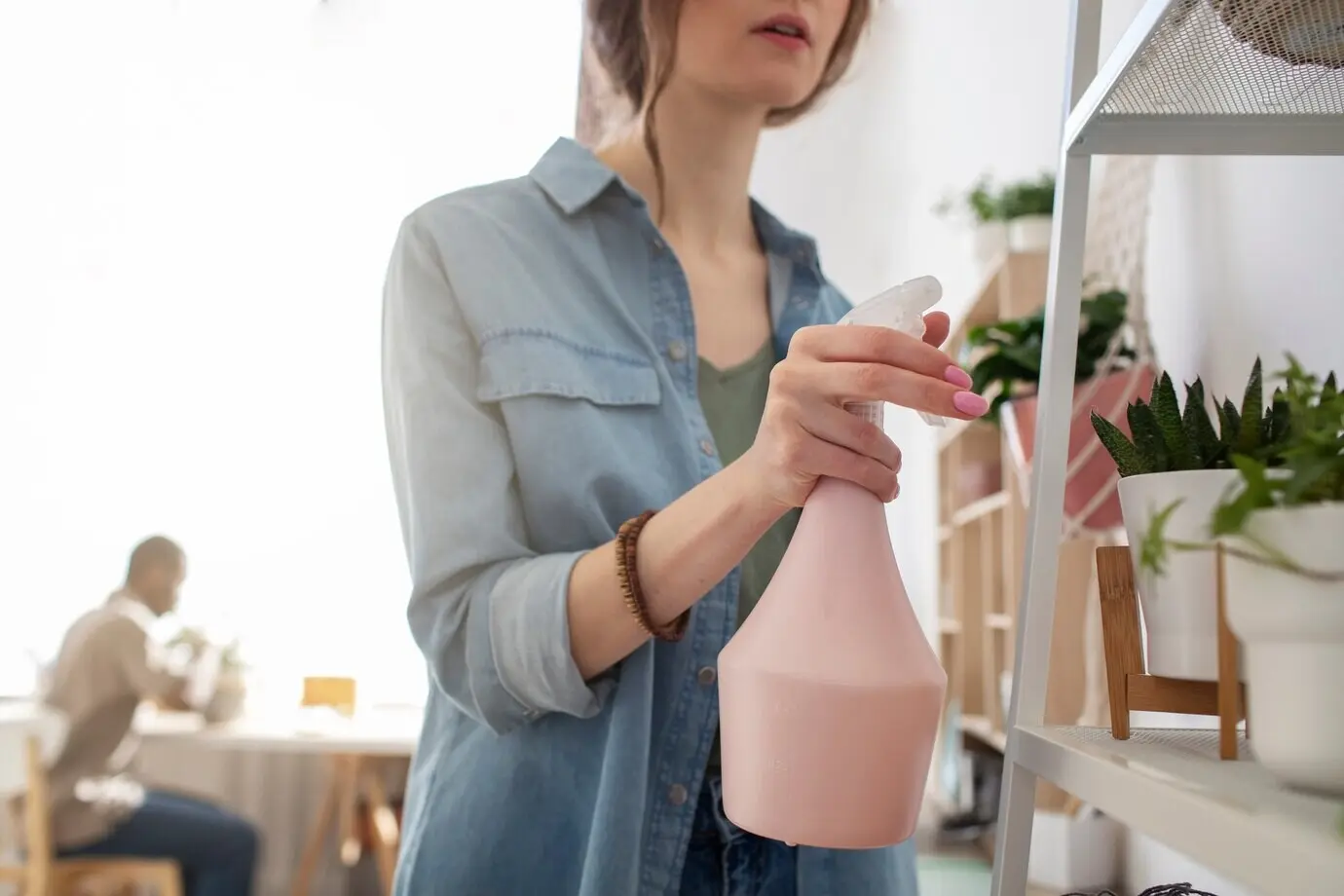
Keep a tiny notebook or app log tracking products used, minutes spent, and outcomes achieved. Review monthly, photograph tricky spots, and note what finally worked. Share before‑afters with friends here, ask questions, and subscribe for experiments that refine methods together, openly and cheerfully.