
Make Every Touch Safer: Professional-Grade Home Disinfection

Today we focus on disinfecting high-touch areas at home with professional protocols, translating proven procedures into calm, practical steps. Expect clear guidance on priorities, products, contact times, and safe habits that protect families without exhausting schedules. We’ll merge field-tested practices with relatable routines you can apply immediately and sustain confidently.

Finding the Surfaces That Matter Most

Not all contact points are equal, and mapping real habits reveals where microbes concentrate and travel. Track daily movements from entry to kitchen, bathroom, workspace, and entertainment corners. By analyzing frequency, shared use, and moisture, you’ll prioritize efforts intelligently, avoiding fatigue while targeting the paths hands follow dozens of times without notice.

Remove Soil First

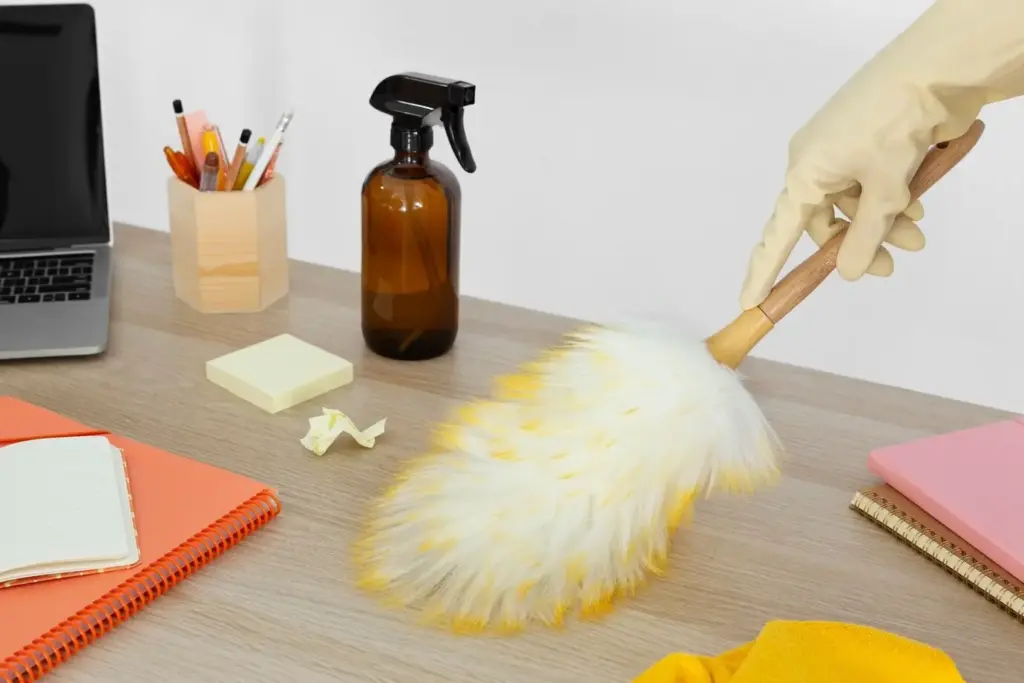
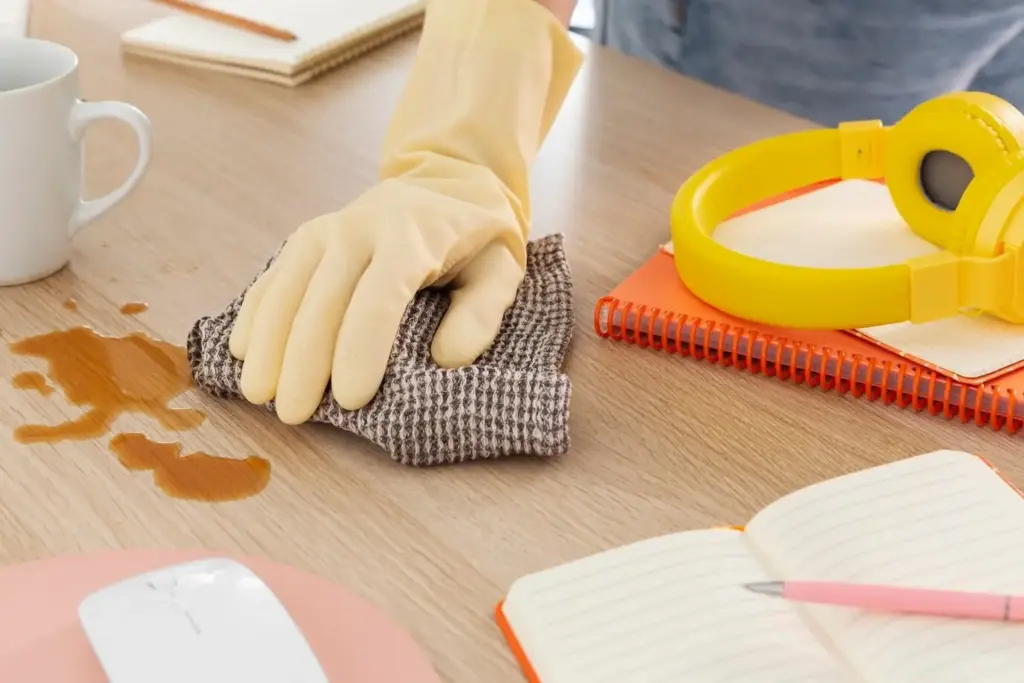
Dust, grease, and fingerprints consume active ingredients, lowering kill performance. Use a detergent wipe or mild cleaner to lift contaminants before disinfecting. Think of this as clearing the runway so the chemistry lands perfectly. Microfiber excels here, increasing physical removal and minimizing streaks that otherwise mask missed spots and stubborn residues.

Respect Contact Time

Labels specify contact time—often between one and ten minutes—to ensure advertised efficacy. Surfaces must stay visibly wet for the entire period. Re-wet as needed, especially on thirsty materials or warm environments. Rushing shortchanges results and wastes effort. A timer or song cue helps make consistency effortless during busy, multitasking home routines.

Ventilation and Safe Reentry

Improve airflow before, during, and after using disinfectants, especially sprays or bleach solutions. Open windows, run exhaust fans, and avoid crowded rooms during application. After contact time, allow gentle air exchange before high traffic resumes. Better ventilation supports respiratory comfort, reduces lingering odors, and preserves an inviting atmosphere without sacrificing the rigor of disinfection.

Choosing Products with Proven Claims

Confidence begins with evidence. Select products with verified kill claims and follow exact label instructions. EPA List N identifies options that meet performance expectations for hard, nonporous surfaces. Consider material compatibility, dwell time, residue, and odor. Keep one primary option and one alternative, ensuring supply resilience, predictable routines, and safer, simpler choices when life gets hectic.

Build a Routine You’ll Actually Keep

Sustainability beats intensity. Short, frequent touchpoint passes outperform occasional marathons. Anchor quick runs to daily rhythms—after breakfast, post-commute, or pre-bed. Use checklists that reflect real life, not wishful calendars. When visitors, deliveries, or sniffles increase risk, briefly elevate frequency, then gracefully return to baseline. Gentle adaptability preserves motivation and meaningful protections long term.

Daily Touchpoints in Minutes

Set a five-minute circuit: entry knobs, light switches, faucet handles, remotes, fridge handle, and phone screen. Move in the same order each time, using pre-moistened wipes or a labeled spray with microfiber. Consistency transforms muscle memory, making disciplined disinfection feel like tidying—reliable, fast, and satisfyingly complete without draining your evening energy.

Illness, Guests, and High-Alert Moments

During colds or hosting, adopt a temporary high-alert routine: boost frequency, add bathroom fixtures, and sanitize shared devices after each use. Position wipes near traffic zones for seamless access. When the moment passes, step back down. This upshift-downshift pattern maintains morale, curbs spread, and respects the ebb and flow of real households.

Technique That Prevents Cross-Contamination

Method shapes outcomes. Professionals reduce re-seeding by wiping in predictable patterns, working clean to dirty, and changing cloth sides frequently. They avoid spraying into air unnecessarily, preferring targeted application. With deliberate overlaps and measured pressure, efficacy rises, streaks vanish, and effort shrinks. Great technique protects surfaces, lungs, schedules, and the people you care about.

S-Pattern and Overlap

Use an S-pattern from top to bottom, left to right, with slight overlap to avoid missed lanes. Flip cloth quarters as they soil, then retire promptly. On vertical surfaces, control drips with slower passes. This choreography eliminates randomness, boosts coverage, and keeps chemistry working where it’s needed rather than pooling wastefully.
Gloves, Hands, and Timing

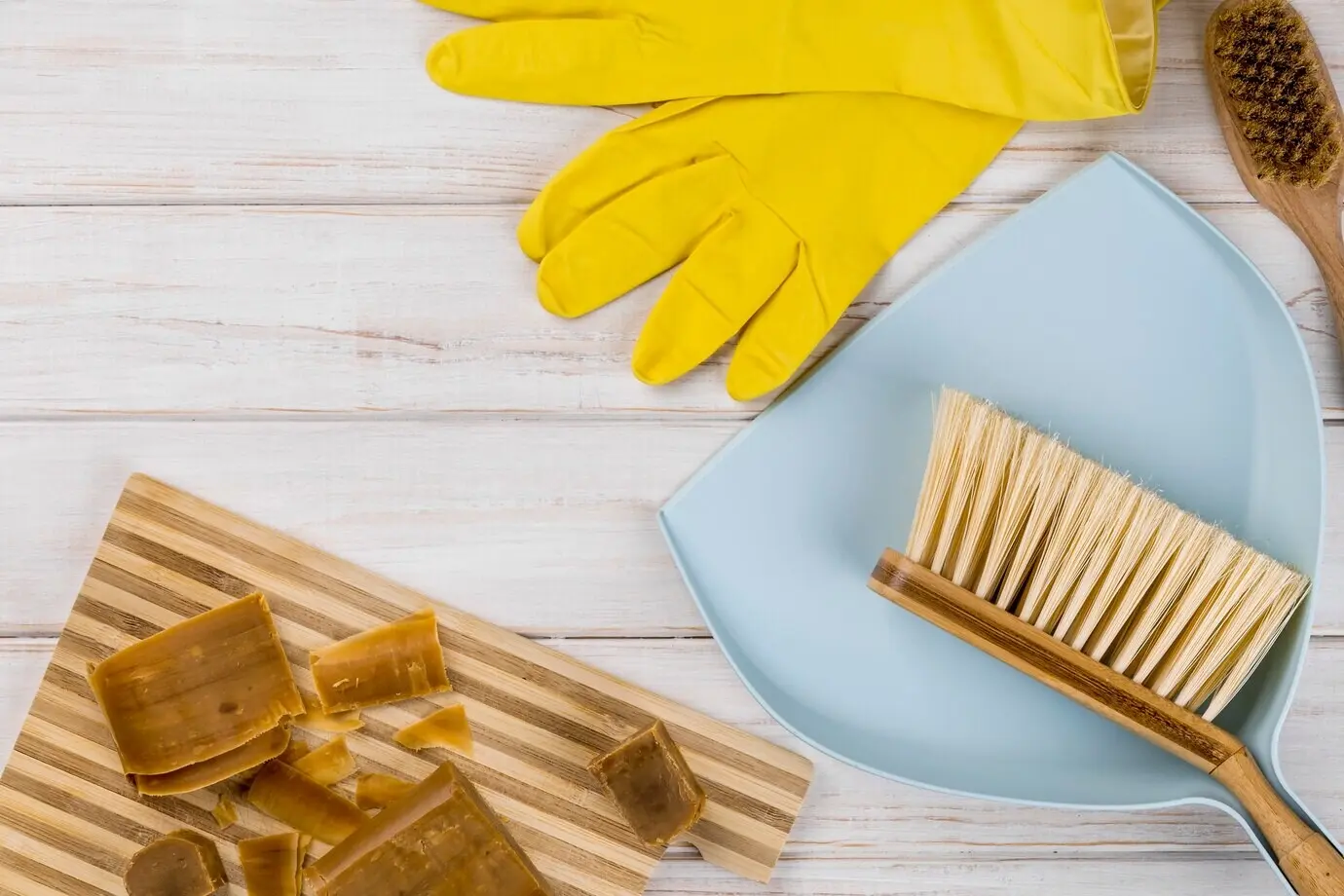
Gloves protect skin and remind you not to touch your face mid-task. Remove them carefully, then wash hands for at least twenty seconds. Give products their full contact time before using spaces. This professional pause anchors results, turning patience into performance and ensuring each effort actually achieves the reductions promised on labels.
Microfiber Laundering and Care

Rinse heavily soiled cloths first, then launder hot with mild detergent, avoiding fabric softeners that clog fibers. Dry low to medium heat. Retire overly worn cloths to less critical tasks. Clean, thirsty microfiber captures more residue, spreads disinfectant evenly, and transforms a simple wipe into a reliable, repeatable, evidence-based operation at home.
Real-World Wins, Lessons, and Metrics

Stories make protocols stick. Households using checklists, List N products, and strict contact times reported fewer sniffles and shorter sick windows. Simple metrics—like a weekly audit or ATP spot checks where available—turn perceptions into progress. Small, visible improvements compound, reinforcing habits and turning hesitant starters into proud, consistent protectors of shared spaces.

One-Week Household Reset

A family mapped touchpoints and ran twice-daily circuits for seven days, honoring contact times and airflow. By week’s end, sticky remotes felt clean longer, and morning traffic flowed smoother. Their takeaway: concise systems beat perfectionism, and momentum grows rapidly when successes are visible, celebrated, and easy for teenagers to repeat reliably.

A Missed Step That Taught Everything

Skipping pre-cleaning on greasy stove knobs dulled disinfectant power, leaving smears and doubts. The fix—quick detergent pass first—restored clarity and confidence. That small correction became a household mantra: clear, then kill. Mistakes teach faster than manuals when we reflect kindly, adjust promptly, and share improvements so everyone benefits from the lesson learned.

Testing, Logs, and Accountability

Even simple checkmarks on a fridge list elevate follow-through. If available, occasional ATP testing validates contact time discipline and cloth change frequency. More important than numbers is ownership: who, when, and how. Light structure prevents drift, spotlights wins, and invites help from family members who finally see the routine’s value clearly.

Join the Conversation and Keep Improving

Your home is unique, and your insights help others. Share questions about contact times, electronics safety, and safer alternatives near kids or pets. Post challenges; we’ll troubleshoot together. Subscribe for new checklists, material compatibility charts, and seasonal refreshers. Continued dialogue transforms scattered tips into a living, supportive playbook that truly serves everyone.
Vexopalopexi
Privacy Overview

This website uses cookies so that we can provide you with the best user experience possible. Cookie information is stored in your browser and performs functions such as recognising you when you return to our website and helping our team to understand which sections of the website you find most interesting and useful.